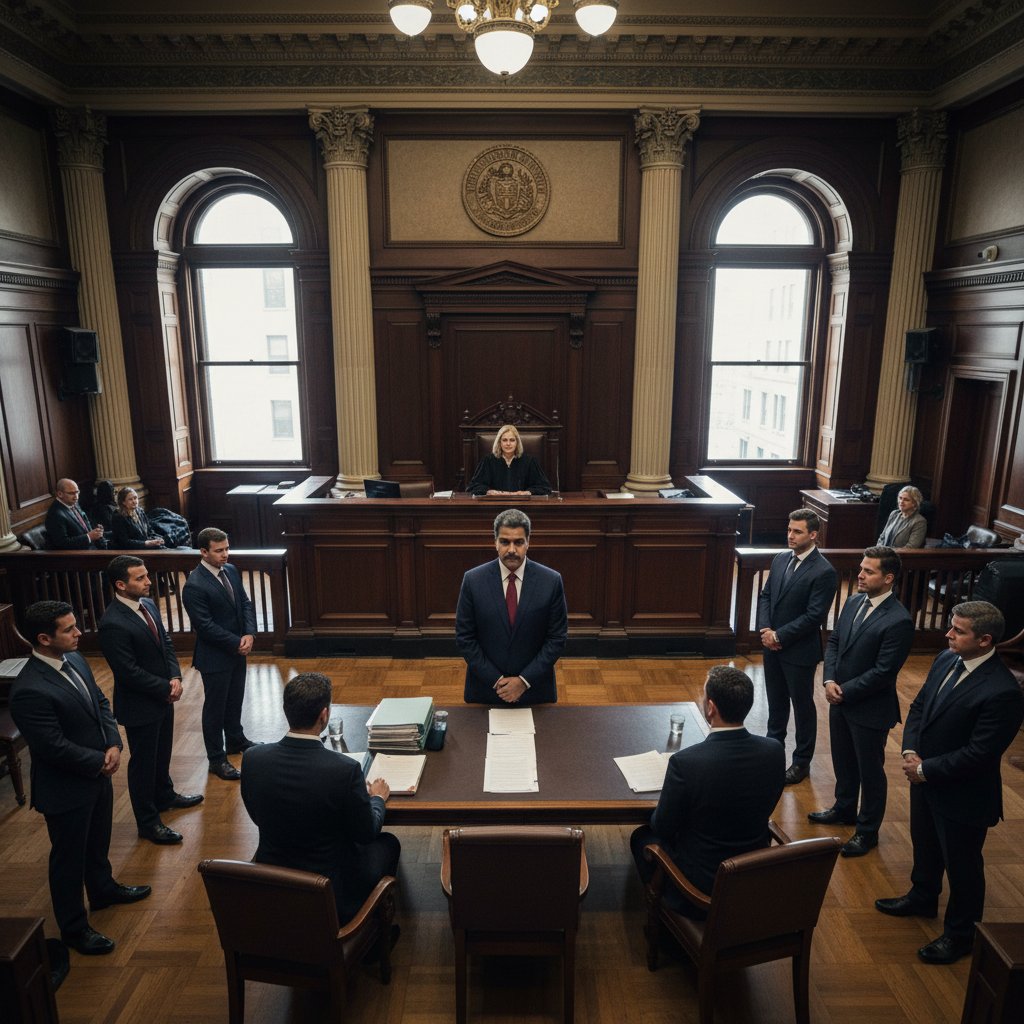
In a scene that would have been unthinkable only years ago, Nicolás Maduro stood before a federal judge in Manhattan on Monday, January 5, to face a litany of narco-terrorism and corruption charges. The former Venezuelan leader, whose grip on power was central to a decade of geopolitical friction, entered a plea of not guilty, forcefully declaring his innocence and insisting that he remains the legitimate president of the South American nation.
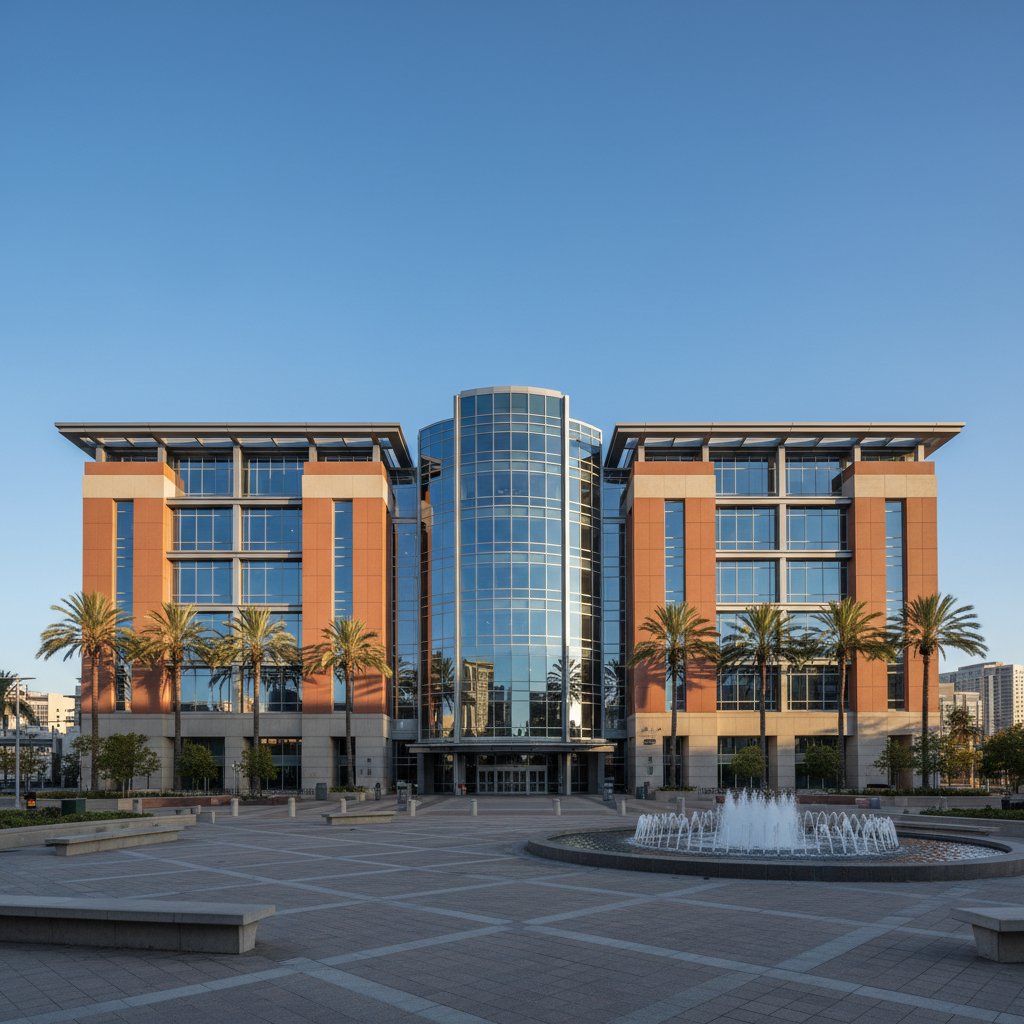
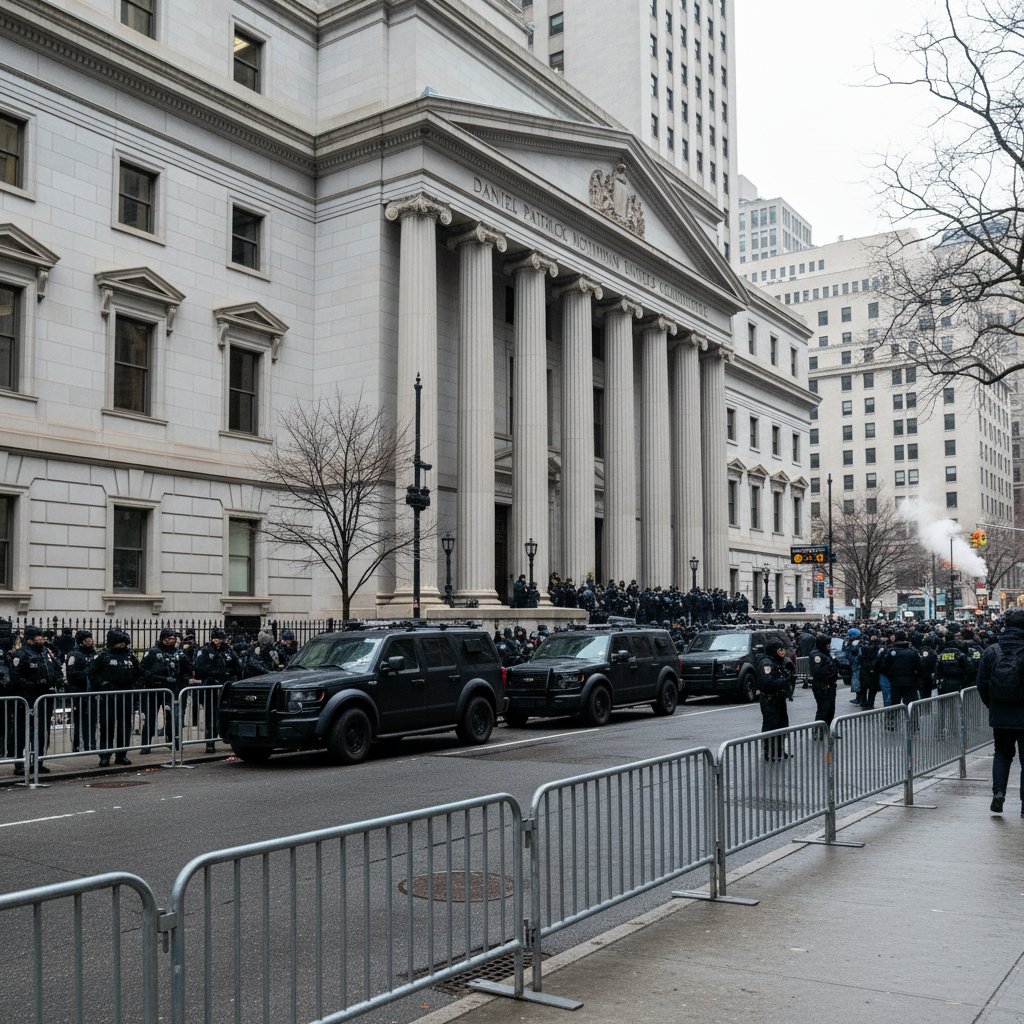
The appearance at the Daniel Patrick Moynihan United States Courthouse followed a period of intense diplomatic and intelligence maneuvers that led to his arrival on U.S. soil. Cloaked in high-level security, Maduro addressed the court through an interpreter, stating, "I am innocent of these fabricated crimes, and I remain the constitutional president of the Bolivarian Republic of Venezuela."
A Defiant Stand in Federal Court
The hearing, presided over by the U.S. District Court for the Southern District of New York, focused on a 2020 indictment that accused Maduro and several high-ranking associates of conspiring with a Colombian guerrilla group, the FARC, to "flood" the United States with cocaine. Federal prosecutors allege that Maduro used the Venezuelan state apparatus to facilitate the transit of hundreds of tons of narcotics in exchange for millions of dollars.
Maduro’s legal team argued that the charges are politically motivated "relics of a regime-change strategy" initiated during the Trump administration and maintained by subsequent leaders. They signaled a defense based on sovereign immunity and the lack of jurisdiction, arguing that a sitting head of state cannot be tried in a foreign domestic court.
However, the U.S. Department of Justice (DOJ) maintains that Maduro’s status as a head of state is not recognized by the U.S. government, which had previously acknowledged opposition figures as the rightful interim leadership. The prosecution emphasized that the charges pertain to criminal acts, not political functions.
The Road to Manhattan: A Decade of Tension
The journey to this courtroom began in March 2020, when the DOJ announced a $15 million bounty for information leading to Maduro’s arrest or conviction. For years, Maduro remained entrenched in the Miraflores Palace in Caracas, buoyed by the support of the Venezuelan military and international allies such as Russia, China, and Iran.
The shift in his fortunes occurred late in 2025 following a series of internal political upheavals and a significant shift in regional diplomatic pressures. While the exact details of his transfer to U.S. custody remain a subject of intense speculation, sources suggest a combination of internal betrayal and a negotiated extraction involving international intermediaries.
Legal and Political Ramifications
The trial of a former head of state on drug trafficking charges is rare in U.S. history, drawing parallels to the 1992 conviction of Panamanian leader Manuel Noriega. Legal experts suggest the discovery phase of the trial will likely involve sensitive intelligence and testimonies from former Venezuelan officials who have turned into U.S. informants.
"This is not just a criminal trial; it is a geopolitical event," said Dr. Elena Vargas, a professor of International Law. "The outcome will set a precedent for how the United States handles leaders it accuses of engaging in transnational crime while in office."
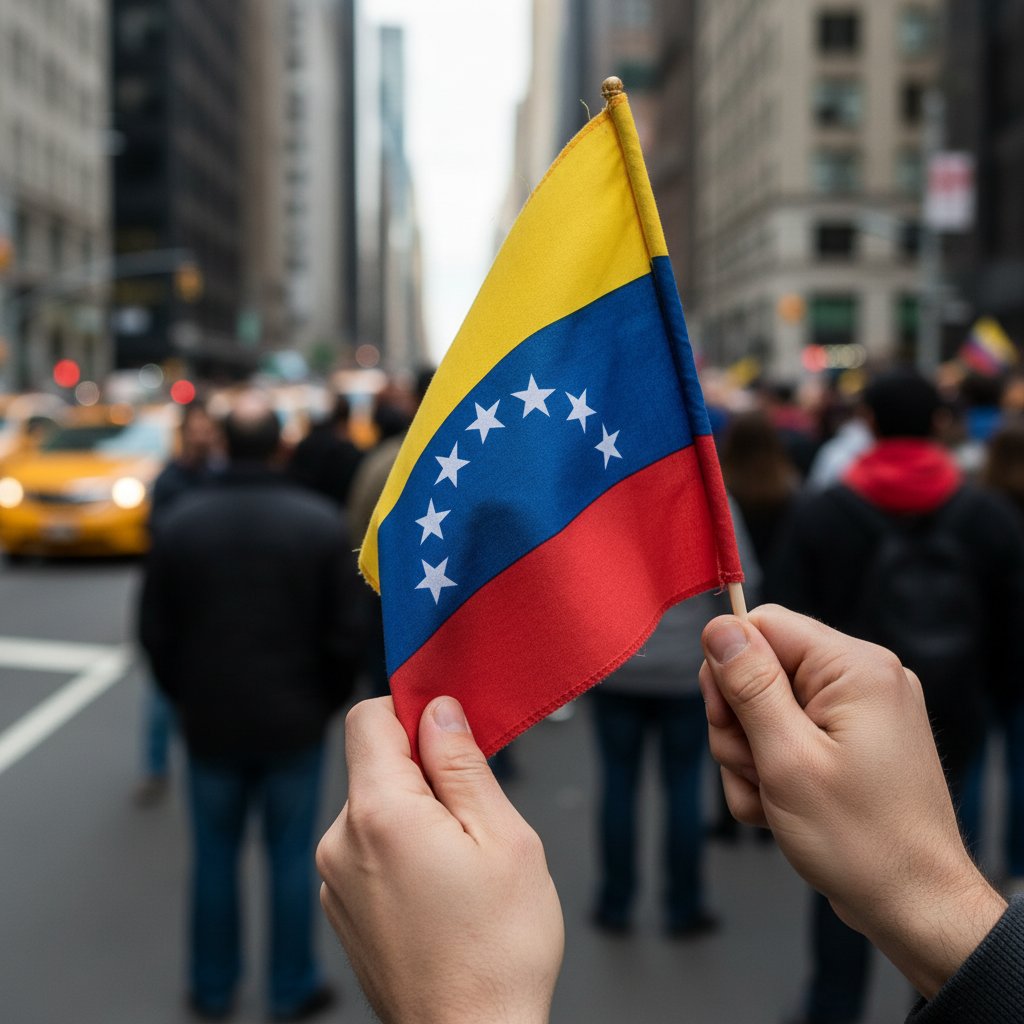
Outside the courthouse, the atmosphere was charged. Groups of Venezuelan expatriates gathered, some cheering the prospect of justice for what they termed "decades of oppression," while others held signs protesting what they viewed as American imperialism.
The Situation in Caracas
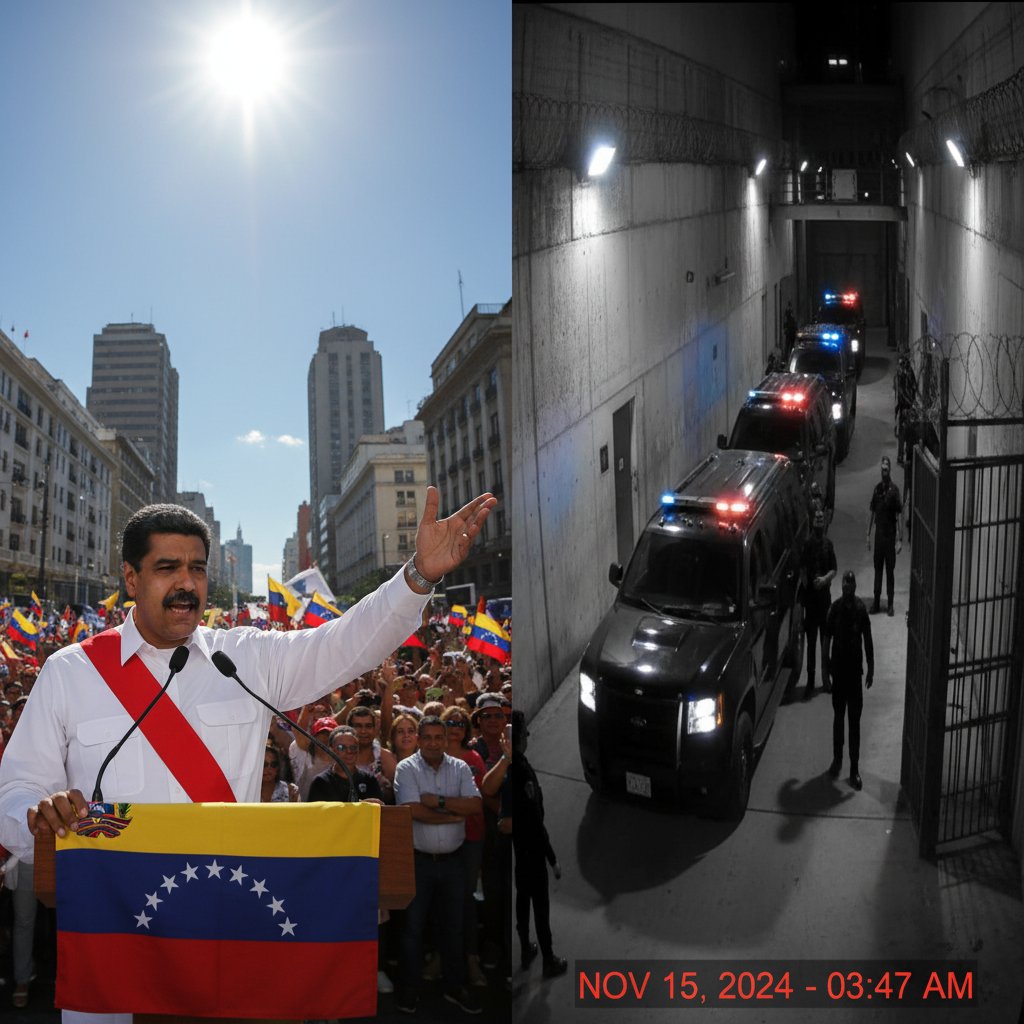
Back in Venezuela, the reaction has been polarized. The current administration in Caracas, now led by a transitional council, has distanced itself from Maduro, though a significant faction of "Chavistas" still views the trial as a kidnapping. The country remains in a fragile state as it attempts to navigate a path toward economic recovery and new elections scheduled for later this year.
The court has scheduled the next hearing for early March, during which motions regarding bail and evidence disclosure will be discussed. For now, Maduro remains in federal custody, held in a high-security wing of a New York detention center—a far cry from the presidential palace he still claims as his own.