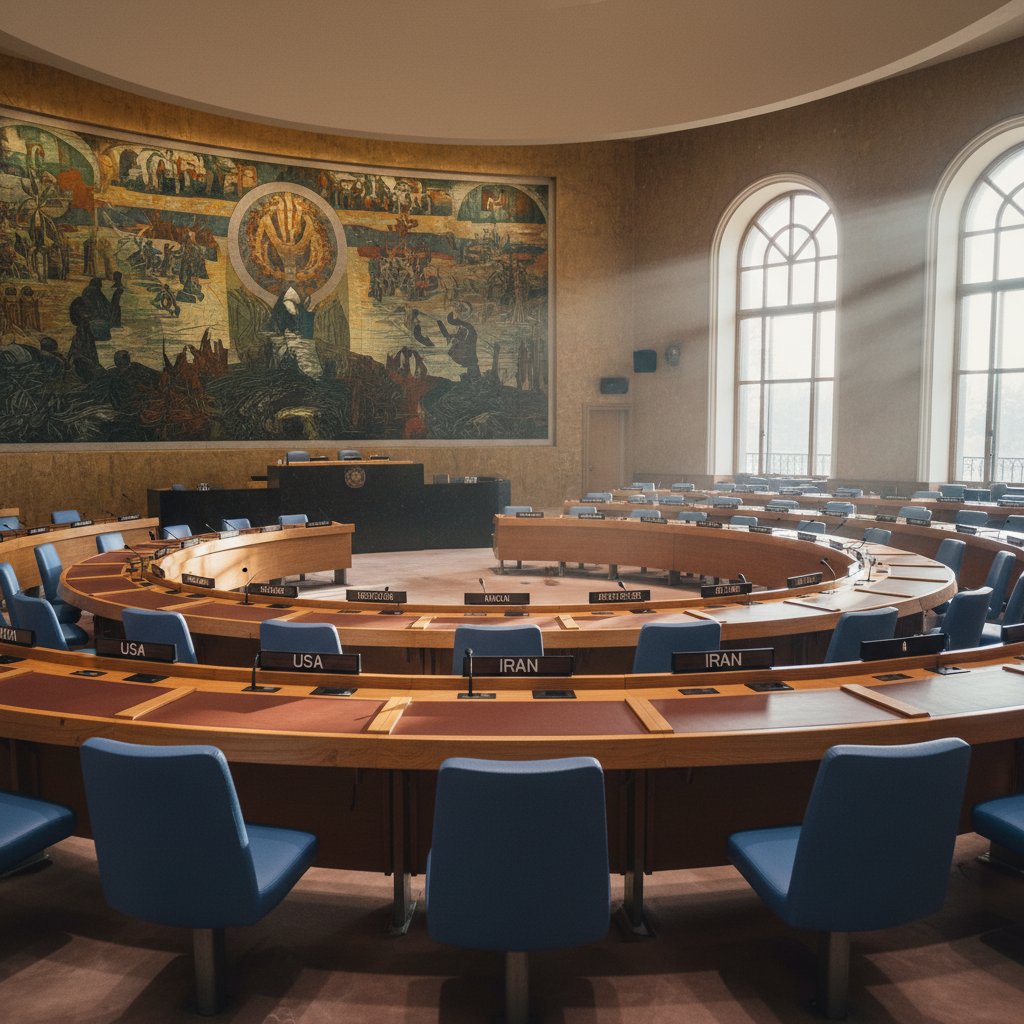
Diplomatic efforts to de-escalate nuclear tensions between Washington and Tehran have reached a critical impasse. High-ranking U.S. officials confirmed late Wednesday that a highly anticipated meeting scheduled to take place in Istanbul this Friday has been abandoned. The collapse of the talks follows what sources describe as a final, unsuccessful attempt to bridge the gap between Iranian demands and Western red lines.
The planned summit was intended to be a significant breakthrough, marking the first time in months that direct or near-direct communication would occur on neutral ground. However, the optimism that characterized the early stages of the week evaporated following a series of last-minute demands from the Iranian delegation.

The Tuesday Pivot
According to reports first detailed by Axios and confirmed by senior administrative sources, the framework for the Istanbul meeting had been painstakingly negotiated over several weeks. The U.S. and Iran had initially agreed to meet with several Middle Eastern nations participating as observers—a move seen as a way to integrate regional security concerns into the broader nuclear dialogue.
The situation shifted abruptly on Tuesday. Iranian officials reportedly introduced new conditions for the talks, requesting adjustments to the agenda that U.S. negotiators deemed unacceptable. While the specifics of these demands have not been fully disclosed, they are believed to involve the sequencing of sanctions relief and the scope of International Atomic Energy Agency (IAEA) inspections.
Faced with these new requirements, U.S. officials reportedly delivered a blunt ultimatum. "We told them it is this or nothing," one official stated, summarizing the hardline stance taken by the State Department. The Iranian response was equally definitive: "Ok, then nothing."
A Region on Edge
The cancellation of the Istanbul summit sends ripples across a Middle East already grappling with heightened security anxieties. The inclusion of regional observers was a key component of the Biden administration's strategy to ensure that any nuclear progress was not made in a vacuum. By including neighbors in the process, Washington hoped to foster a broader regional stability pact.
With the collapse of these plans, that stability feels more fragile than ever. Analysts suggest that the failure to even reach the table indicates a profound lack of trust that may be insurmountable under current political conditions.
Key Stumbling Blocks
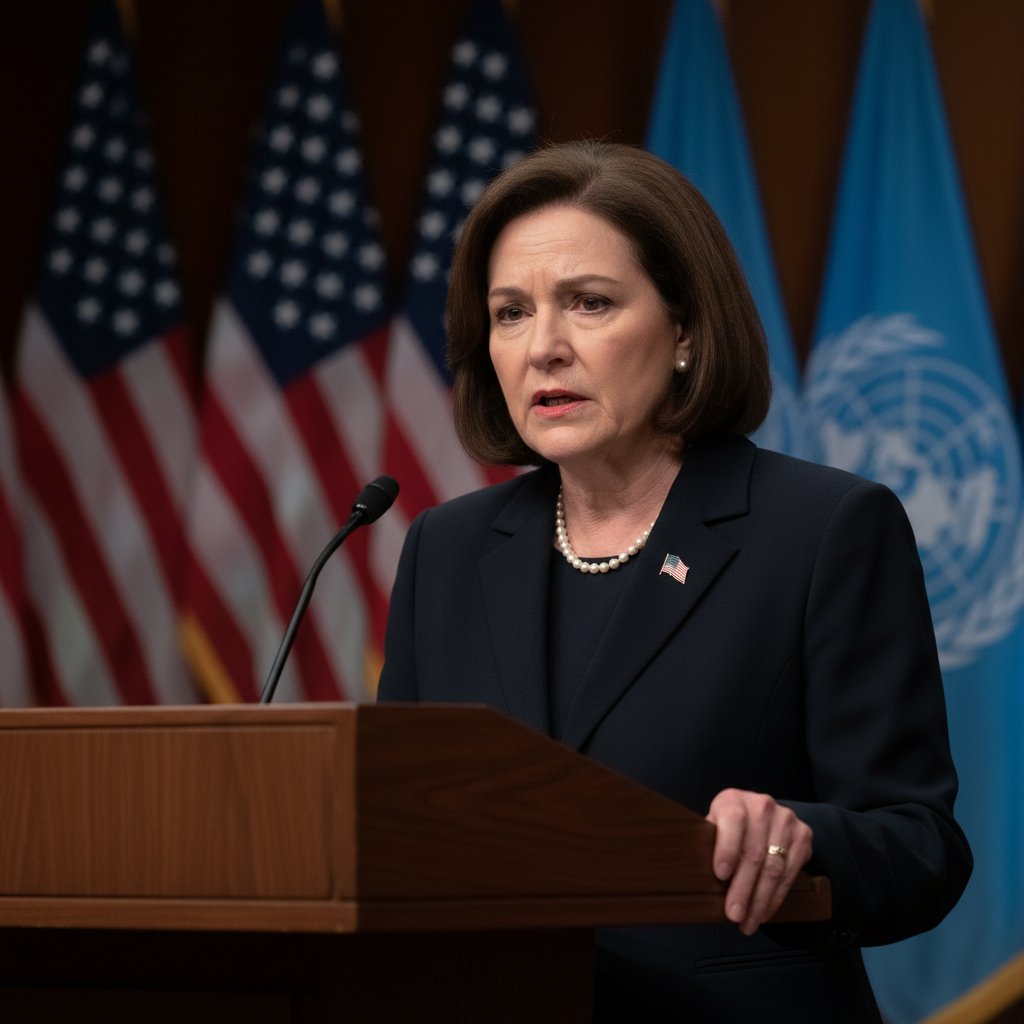
The breakdown highlights three primary areas where the two nations remain fundamentally misaligned:
- Sanctions vs. Compliance: Iran continues to demand significant economic relief before rolling back its enrichment programs, while the U.S. maintains that compliance must precede the lifting of major sanctions.
- Monitoring and Verification: The IAEA has recently expressed concern over "gaps" in its ability to monitor Iranian facilities. Tehran remains resistant to restoring the full oversight protocols established under previous agreements.
- Regional Influence: The U.S. has sought to include Iran’s ballistic missile program and its support for regional proxies in the talks, a move Tehran has consistently rejected as a non-starter.
The Cost of Inaction
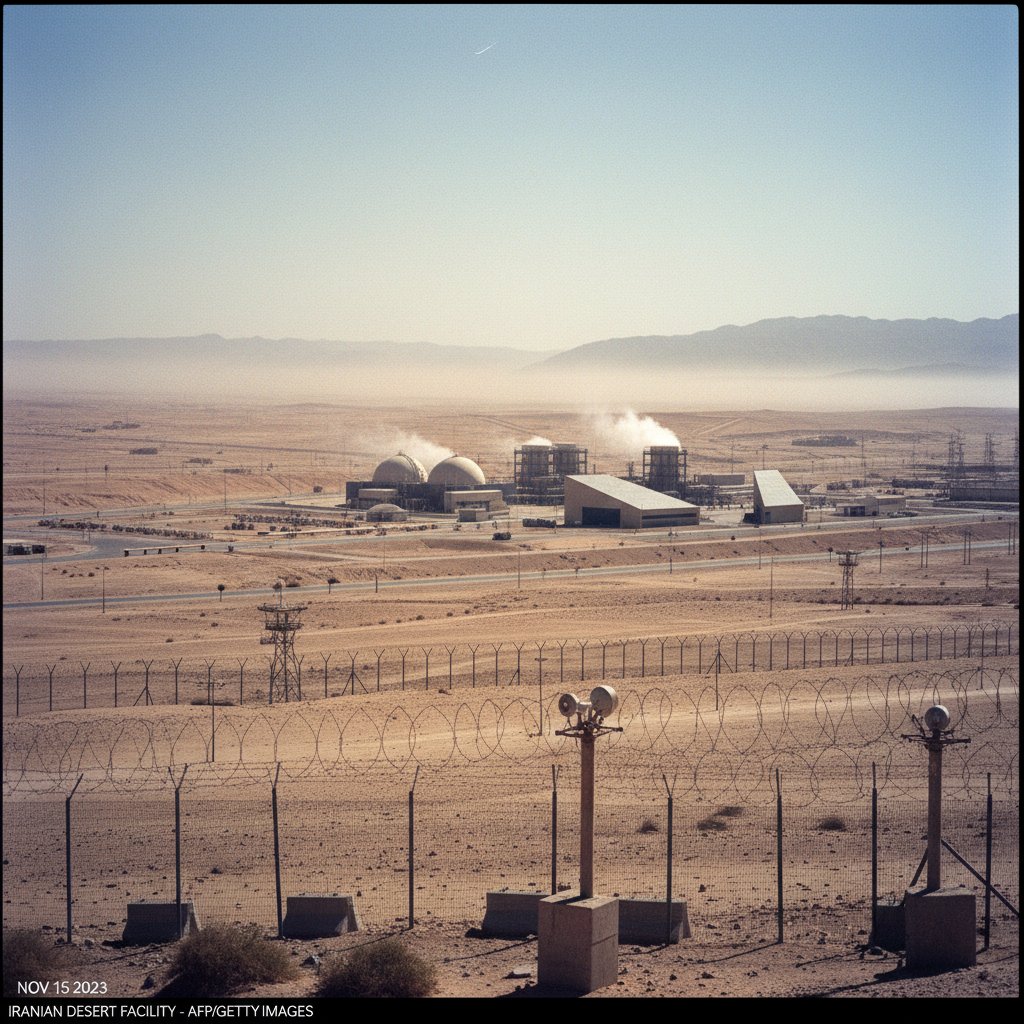
The failure of the Istanbul talks is not merely a diplomatic setback; it carries tangible risks for global security. Since the previous nuclear framework began to unravel, Iran has significantly increased its stockpile of enriched uranium. Expert estimates suggest that the "breakout time"—the time required to produce enough weapons-grade material for a nuclear device—has shrunk to its lowest point in years.
While Tehran maintains its nuclear program is for peaceful energy purposes, the lack of transparency has led to increased military posturing from regional rivals.
What Happens Next?
In the immediate aftermath of the collapse, both sides appear to be retreating to their respective corners. The U.S. is expected to consult with its European allies—the E3 (United Kingdom, France, and Germany)—to discuss the possibility of "snapback" sanctions or further diplomatic censures at the United Nations.
Meanwhile, Iranian state media has remained relatively quiet regarding the specific reasons for the breakdown, instead emphasizing the country's right to pursue technological advancement.
For now, the "this or nothing" gamble has resulted in nothing. As the Friday deadline for the Istanbul meeting passes without a gathering of diplomats, the international community is left to wonder if the window for a negotiated settlement has finally slammed shut.