The Department of Homeland Security (DHS) and local law enforcement have launched an investigation into the fatal shooting of a woman by U.S. Immigration and Customs Enforcement (ICE) agents in Minneapolis. The incident, which occurred during a "targeted operation" on Wednesday afternoon, has drawn intense scrutiny after bystander video of the encounter began circulating on social media.
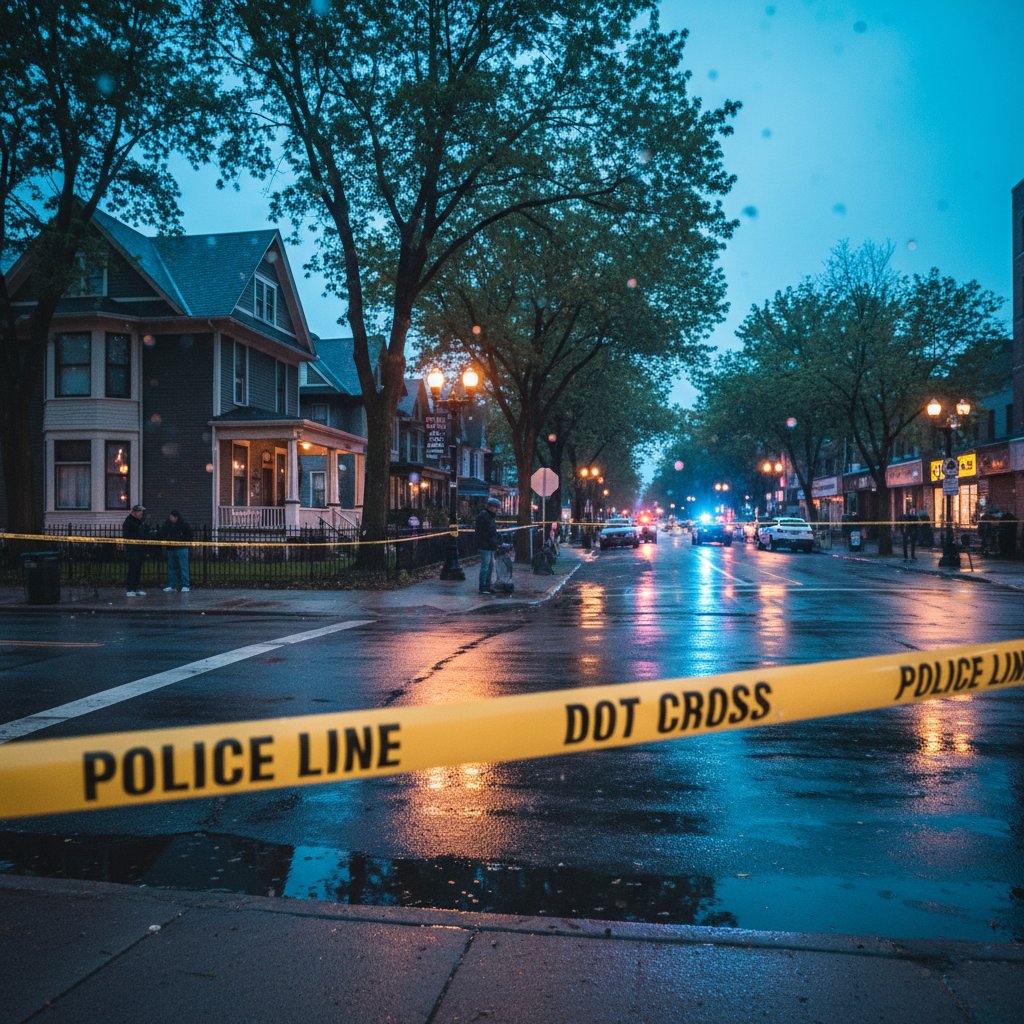
The shooting took place in a residential area of Minneapolis, marking a rare and violent escalation of federal immigration enforcement within the city limits. According to preliminary statements from federal officials, the agents were attempting to execute a warrant when the situation turned lethal.
Details of the Encounter
The incident unfolded on Wednesday, January 7, when ICE Enforcement and Removal Operations (ERO) officers approached a vehicle parked on a city street. According to a statement released by a DHS spokesperson, the agents were conducting a pre-planned operation to apprehend an individual with a history of immigration violations and criminal record.
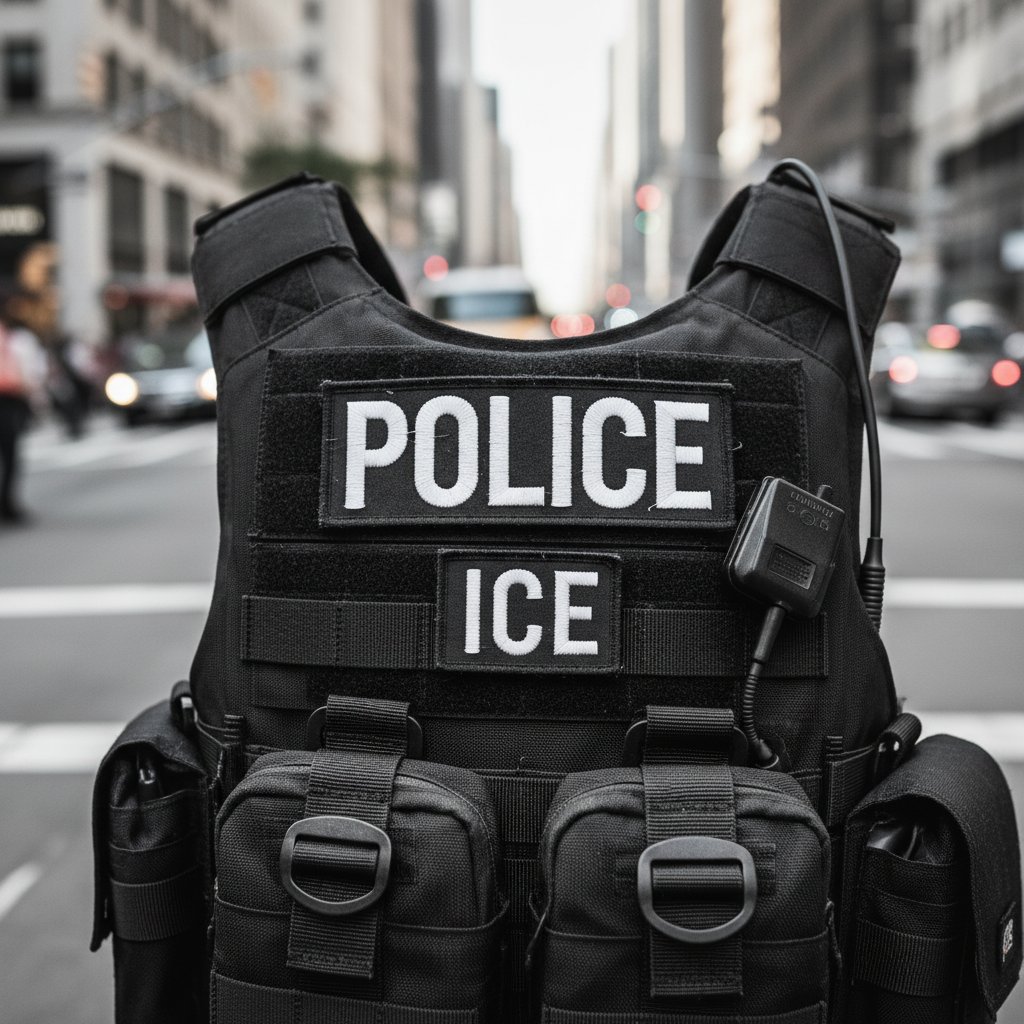
Video footage captured by a witness and widely shared online shows several plainclothes agents, some wearing tactical vests labeled "POLICE/ICE," surrounding a silver sedan. The agents are heard shouting commands for the driver to exit the vehicle. As the car begins to pull away from the curb, several shots are fired into the driver’s side window. The vehicle traveled a short distance before jumping a curb and coming to a halt.
The woman, whose identity has not yet been officially released pending notification of next of kin, was pronounced dead at the scene. Federal officials have not yet confirmed if the woman was the intended target of the operation or if there were other occupants in the vehicle. No agents were reported injured during the confrontation.
Official Response and Policy Scrutiny
In a brief press conference held on Thursday, federal officials emphasized that the investigation is in its early stages. Under standard protocol for officer-involved shootings, the DHS Office of Professional Responsibility (OPR) will review the incident to determine if the agents' use of force complied with federal guidelines.
"Any loss of life is a tragedy," said a DHS representative. "We are committed to a thorough and transparent investigation. We ask for the community's patience as we gather all the facts regarding the circumstances that led to the discharge of firearms."
The incident has immediately reignited debates over ICE’s use-of-force policies, which were updated in 2023 to emphasize de-escalation. Those guidelines generally prohibit firing at a moving vehicle unless the vehicle is being used as a weapon and no other reasonable means are available to avert an imminent threat of death or serious injury.
Local Reaction and Community Outcry
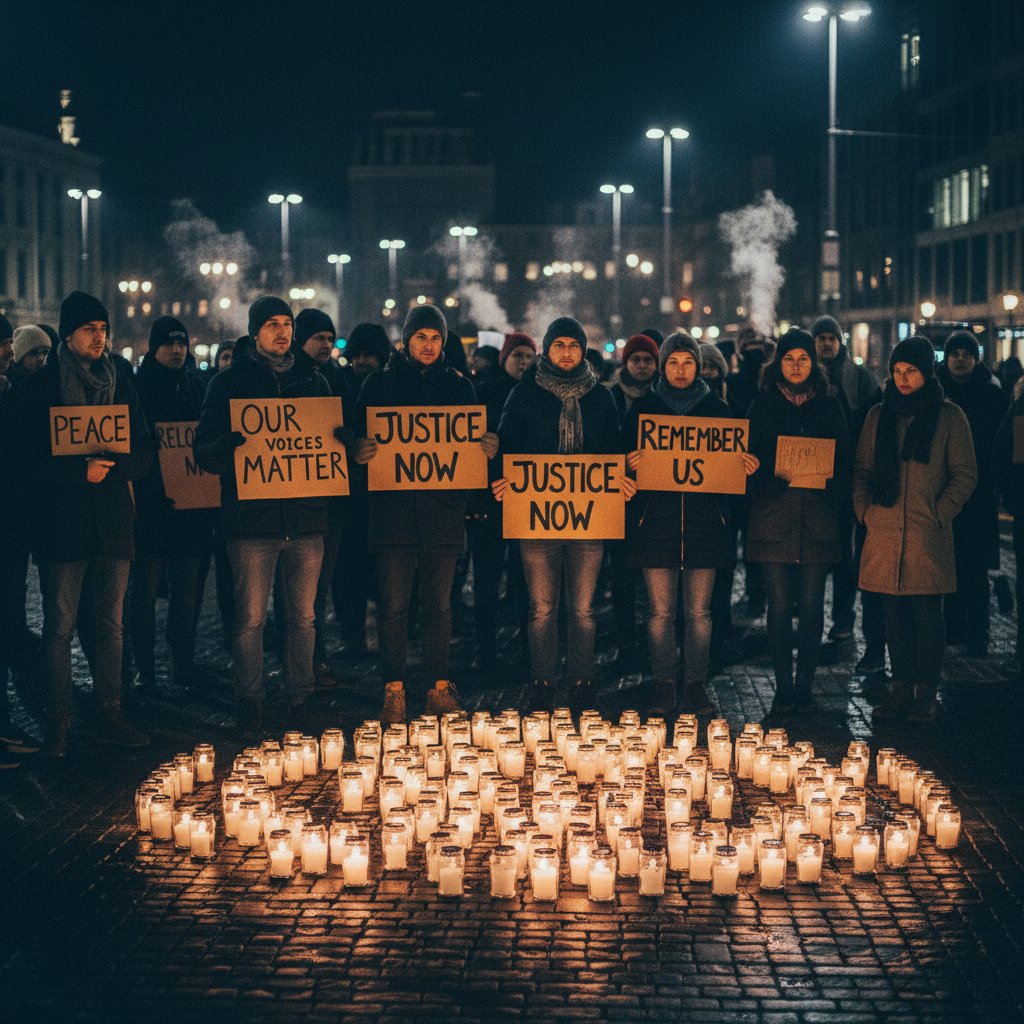
The shooting has sparked immediate protests in Minneapolis, a city that remains deeply sensitive to law enforcement conduct. By Wednesday evening, several dozen demonstrators gathered near the site of the shooting, calling for accountability and the release of all body-worn camera footage.
Local leaders have also expressed concern over the lack of coordination between federal and local authorities. While Minneapolis operates under "sanctuary" policies that limit local police cooperation with federal immigration enforcement, ICE is not required to notify local police of its independent operations.
"We are seeking answers from our federal partners," a spokesperson for the Minneapolis Mayor’s office stated. "Our community deserves to know why a routine operation resulted in a loss of life on a public street."
Legal and Civil Rights Implications
Immigration advocacy groups have condemned the shooting, citing it as an example of what they describe as overly aggressive tactics by ICE ERO units. Legal experts suggest that the civil rights implications of the shooting will hinge on whether the agents can prove they faced an "imminent threat" as the vehicle pulled away.
Federal agents are typically granted broad legal protections when performing their duties, but the presence of clear video evidence often complicates the legal defense in use-of-force cases. The investigation is expected to involve a review of forensic evidence, ballistic reports, and any available surveillance footage from nearby businesses.
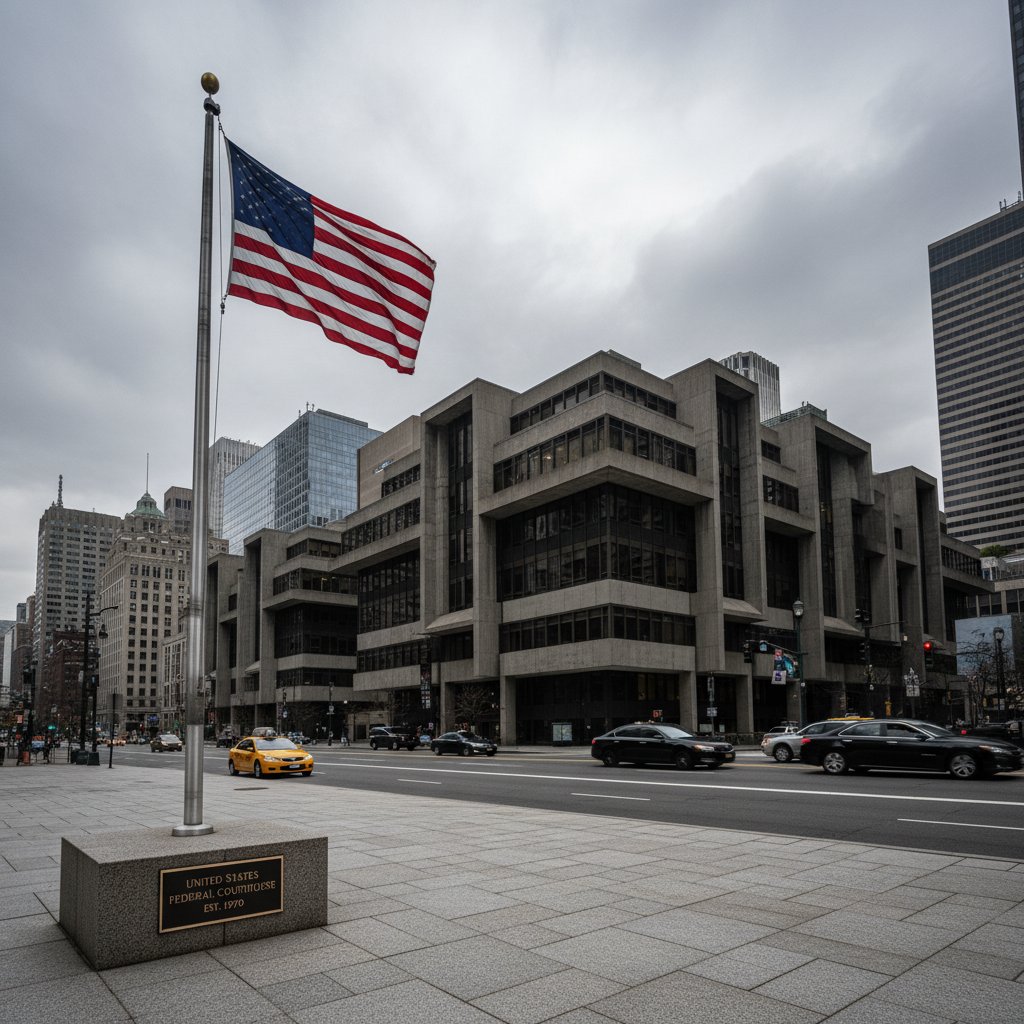
As of Friday morning, the agents involved have been placed on administrative leave, a standard procedure during such inquiries. The Federal Bureau of Investigation (FBI) is reportedly assisting in the review to ensure an impartial assessment of the federal agents' conduct.
Frequently Asked Questions
What is a "targeted operation"? A targeted operation refers to an enforcement action where agents seek to apprehend a specific individual based on prior intelligence, rather than conducting broad sweeps or checkpoints.
Can ICE agents use local police body cameras? While ICE has begun rolling out body-worn cameras for its agents in several cities, the program is not yet universal. It remains unclear if the agents involved in the Minneapolis shooting were equipped with active cameras at the time of the incident.
What happens next in the investigation? The DHS Office of Professional Responsibility will lead the internal probe, while the FBI may conduct a separate civil rights investigation. Findings are typically shared with the Department of Justice to determine if criminal charges are warranted.