For decades, the Tyrannosaurus rex has been depicted as the ultimate biological "fast-burner"—a predator that grew with terrifying speed to reach its massive proportions before dying young. However, new research published this week is rewriting the life history of the world’s most famous dinosaur.
According to a study released on January 15, 2026, the T. rex lived significantly longer and took much more time to reach its maximum size than previously thought. The findings suggest that instead of the rapid 20-year growth spurt previously accepted by the scientific community, these apex predators followed a more measured, 35-year trajectory to adulthood.
Counting the Rings of Time
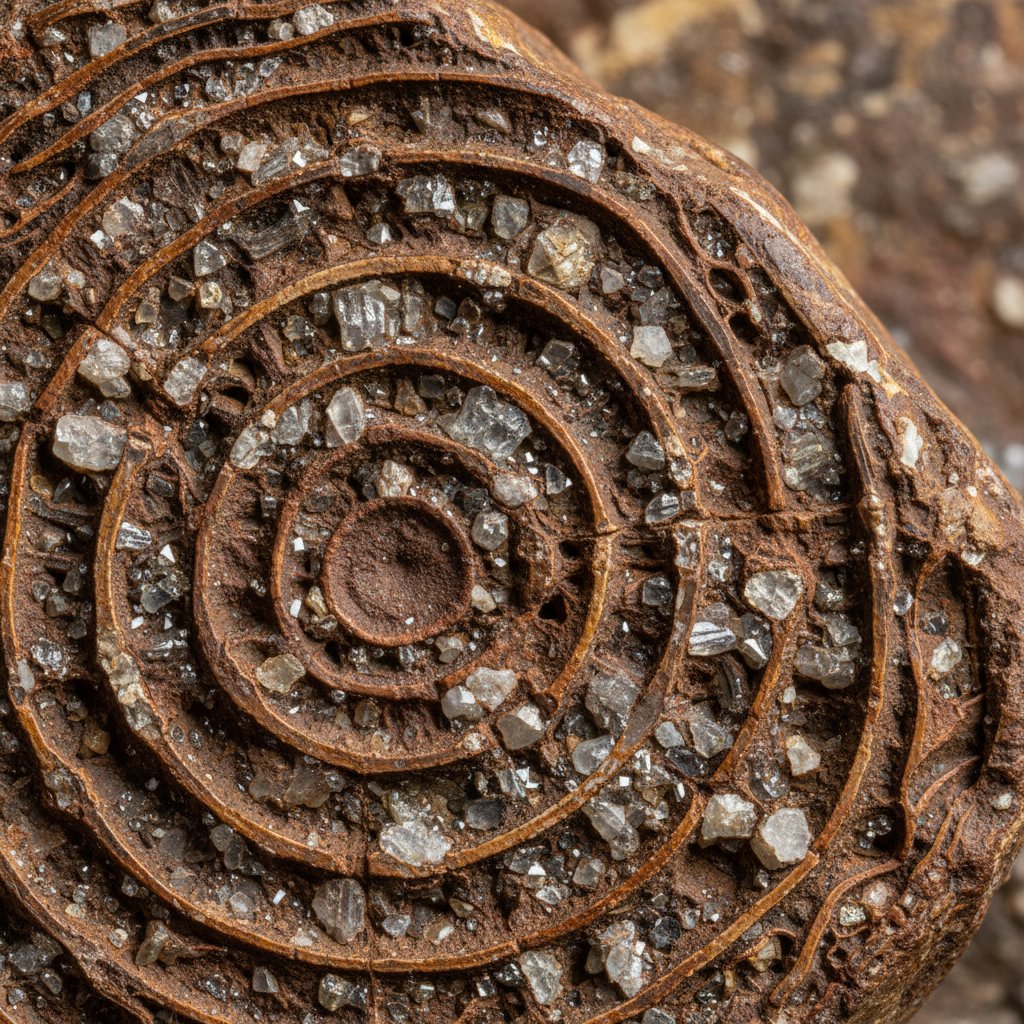
The breakthrough comes from an international team of paleontologists who utilized advanced high-resolution imaging and histological techniques. By examining the internal structure of fossilized bones, specifically the "growth rings" or lines of arrested growth (LAGs), researchers can determine the age of a dinosaur much like a dendrologist counts the rings of a tree.
While previous studies were limited by the scarcity of well-preserved, complete bone cross-sections, the new research utilized a larger sample size of specimens, including recently unearthed fossils from the Hell Creek Formation.

"We used to think T. rex followed a 'get big fast' strategy," said Dr. Elena Vance, a lead researcher on the study. "Our data shows a much more protracted growth period. These animals weren't just hitting a massive growth spurt in their teens and leveling off; they were continuing to add significant mass well into their late twenties and early thirties."
Challenging the 'Fast-Growth' Model
For the last twenty years, the prevailing theory was that T. rex underwent an exponential growth phase between the ages of 14 and 18, gaining up to 1,600 pounds (700 kg) a year. Under that model, a T. rex was considered an old, "senescent" adult by age 28.
The new study refutes this "live fast, die young" narrative. The findings indicate that while T. rex did experience a teenage growth spurt, it was not as aggressive as once thought. Instead, the dinosaur continued to grow steadily for an additional decade. This suggests a more efficient metabolism and a different ecological role than previously imagined.
Comparative Growth Estimates
| Metric | Previous Model (C. 2004) | New Study Findings (2026) | | :--- | :--- | :--- | | Time to Full Maturity | 18–20 Years | 33–35 Years | | Average Max Lifespan | 28–30 Years | 42–45 Years | | Peak Growth Rate | ~700 kg / year | ~450 kg / year |
Why the Discovery Matters
Understanding the growth rate of an extinct animal provides vital clues about its physiology and the ecosystem it inhabited. A slower-growing T. rex implies a different survival strategy.
If these predators took 35 years to reach full size, they would have spent a much larger portion of their lives as "sub-adults." This supports the theory that juvenile and adult T. rex occupied different ecological niches, with the more agile, sleeker juveniles hunting different prey than the massive, bone-crushing adults.
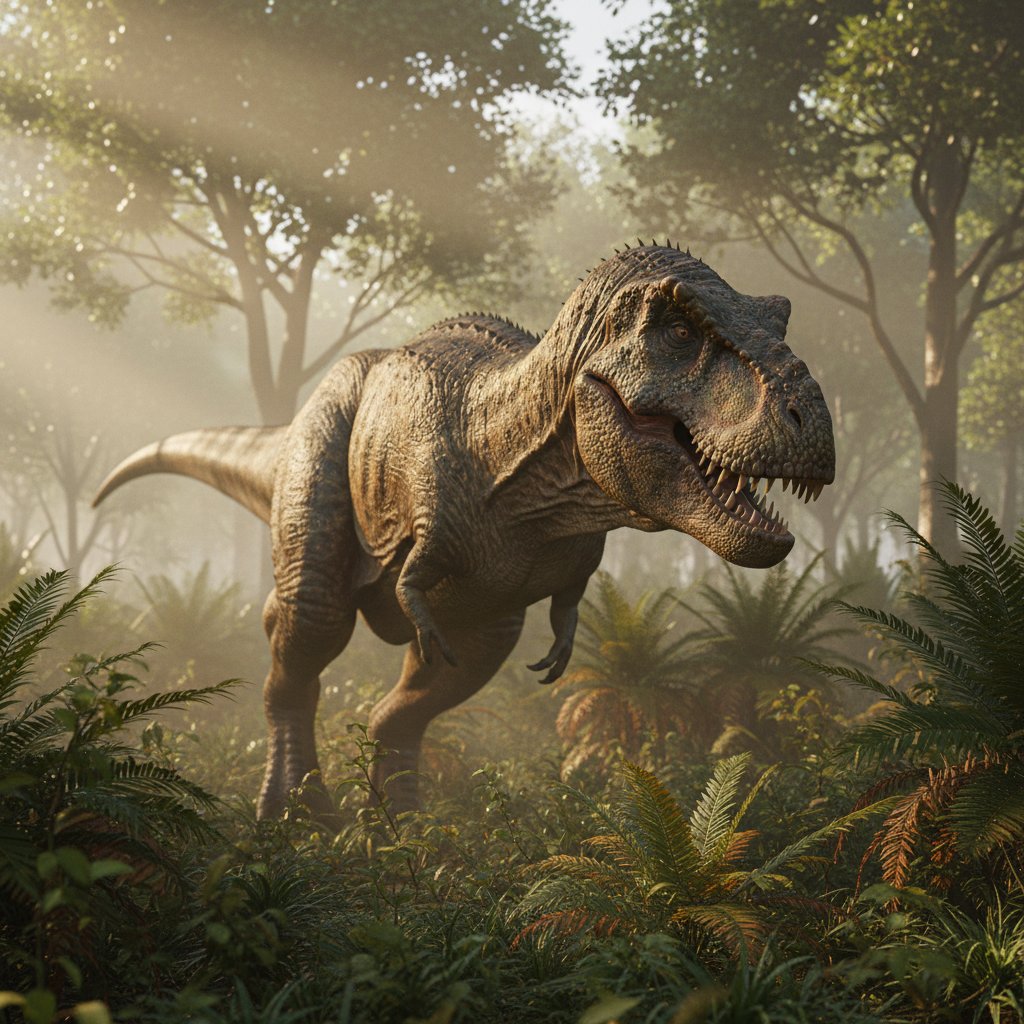
"This discovery suggests that the T. rex was a more durable and persistent part of its environment," explains paleontologist Marcus Thorne. "They weren't just flashes in the pan. They were long-lived kings of their domain, requiring a stable environment to support such a long path to maturity."
The Science of Paleohistology
The process of "bone slicing" or histology is often controversial because it requires damaging rare fossils. However, the use of micro-CT scanning has allowed researchers to view the internal density of bones with minimal invasive sampling.
The study also highlighted how environmental factors, such as seasonal droughts or shifts in prey availability, are recorded in the bone rings. The 35-year growth cycle shows a remarkable resilience to these environmental stressors, suggesting that T. rex was highly adaptable to the changing landscapes of the Late Cretaceous.
A New Perspective on an Icon
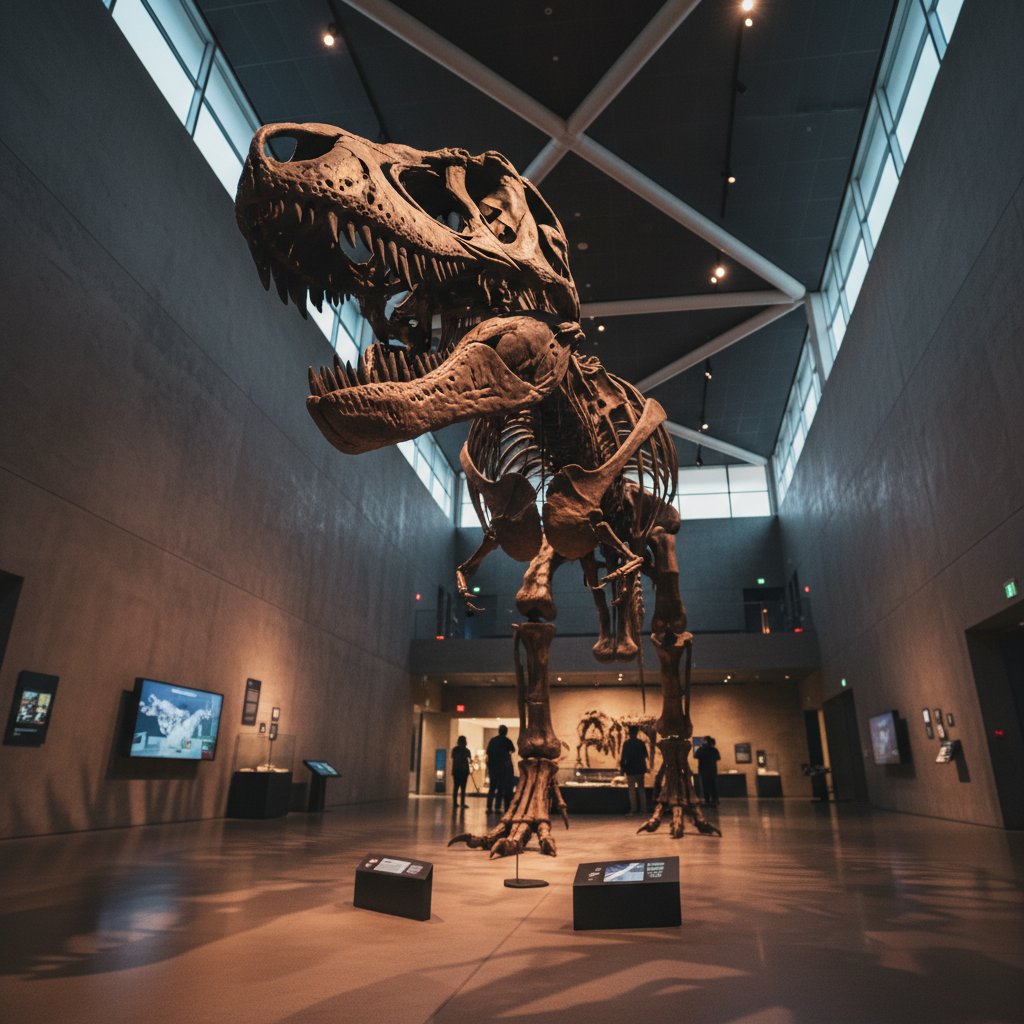
As museums around the world prepare to update their exhibits, the image of the T. rex is shifting. No longer seen as a biological anomaly that grew at an impossible rate, it is now viewed as a sophisticated, long-lived predator that dominated its landscape through endurance and gradual development.
The study concludes that while the T. rex was still the "King of the Dinosaurs," its reign was a marathon, not a sprint. This shift in understanding opens new doors for research into other theropods, questioning if the "slow-growth" model might be more common among giant dinosaurs than previously believed.